Akıllı Kart ve RFID Teknolojisi
2026-08-11
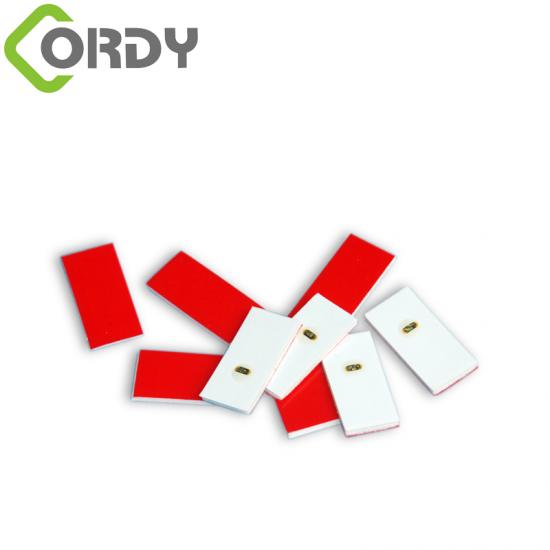
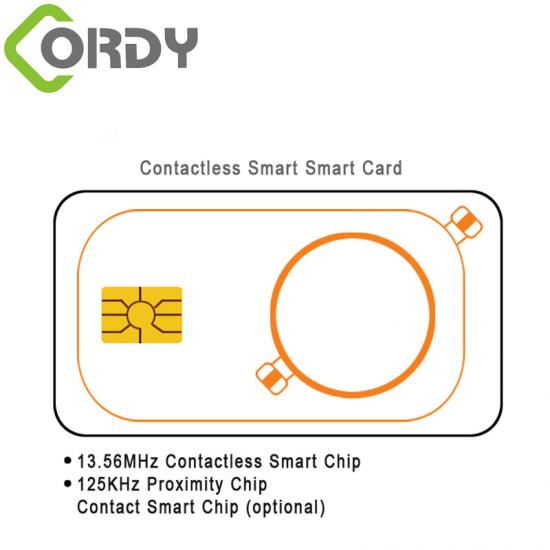
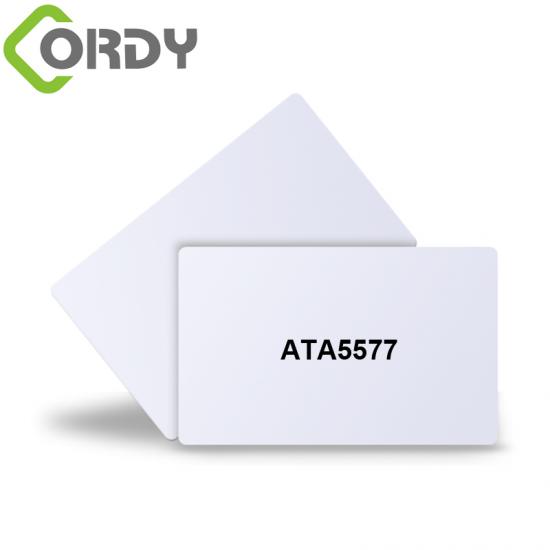
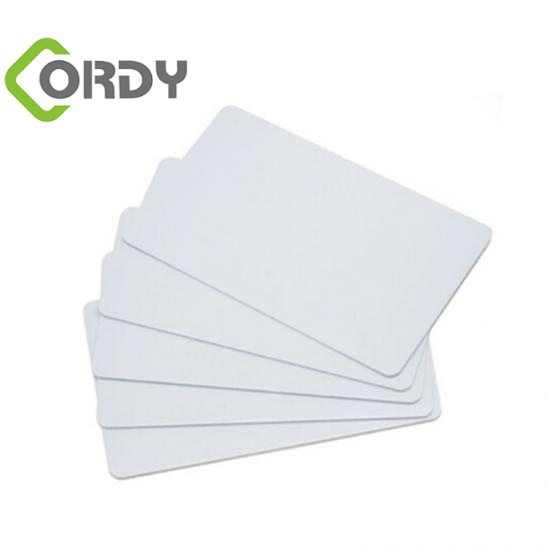
Akıllı Kart ve RFID Teknolojisi Akıllı kartlar, RFID teknolojisiyle yakından ilişkilidir ve yüksek frekanslı RFID, günümüzdeki ana akım akıllı kartların temel teknoloji altyapısını oluşturmaktadır. İkisi birlikte, temassız otomatik tanımlamanın temel uygulama sistemini oluşturur. 1. RFID Teknolojisinin Temelleri Temel tanım: RFID, radyo frekanslı tanımlama teknolojisi olarak da bilinir ve hedef tanıma, veri okuma ve yazma işlemlerini görüş hattı veya fiziksel temas gerektirmeden radyo dalgaları kullanarak gerçekleştiren temassız otomatik tanımlama teknolojisidir. Sistem yapısı: Elektronik etiketler (çip+anten), okuyucular ve antenlerden oluşur ve bazı sistemlerde arka uç veri işleme platformu da bulunur. Ana akım frekans bandı özellikleri: Düşük frekans (125-134 kHz): Güçlü penetrasyon, 0,1-1 metre okuma mesafesi, erişim kartları ve hayvan kulak etiketleri için uygundur. Yüksek frekans (13,56 MHz): 1-3 metre okuma mesafesi, birden fazla etiketin eş zamanlı olarak tanınmasını destekler ve akıllı kartların temel çalışma frekans bandıdır. Ultra yüksek frekans (860-960MHz): 3-10 metre okuma mesafesi, lojistik ve depolama gibi toplu tanıma senaryoları için uygundur. Etiket sınıflandırması: Pasif etiketler okuyucular tarafından desteklenir, düşük maliyetlidir ve uzun ömürlüdür; aktif etiket, daha uzun okuma mesafesine sahip ancak düzenli pil değişimi gerektiren dahili bir pille birlikte gelir. 2. Akıllı kart teknolojisinin temel noktaları Tanım ve sınıflandırma: Akıllı kartlar, dahili mikroçiplere sahip kartlardır ve temaslı ve temassız olmak üzere iki kategoriye ayrılır. Temassız akıllı kartların çoğu yüksek frekanslı RFID teknolojisine dayanmaktadır. Temel özellikler: Veri şifreleme, büyük depolama kapasitesi, uzun hizmet ömrü ve aşınma direnci özelliklerine sahiptir ve kimlik tanıma, veri depolama ve etkileşim işlevlerini gerçekleştirebilir. Ana akım türleri: Yaygın olanlar arasında kimlik kartı çipleri, otobüs kartları, erişim kartları, kampüs kartı vb. bulunur; bunların tümü 13,56MHz yüksek frekanslı RFID frekans bandını kullanır. 3. İki Teknoloji Arasındaki İlişki ve Farklılıklar Teknik İlişki: Temassız akıllı kartlar, kimlik tanıma ve küçük ödeme senaryolarında RFID teknolojisinin tipik bir uygulama biçimidir ve yüksek frekanslı RFID teknolojisi, akıllı kartların temassız okuma ve yazma işlemlerini gerçekleştirmesinin temel desteğidir. Temel Farklılıklar: Şekil Farkı: Akıllı kartlar çoğunlukla standart kart şeklindedir, oysa RFID etiketleri esnek şekillere sahiptir ve çeşitli nesne yüzeylerine takılabilir. Fonksiyonel Odak: Akıllı kartlar, kimlik doğrulama ve güvenli ödemeler gibi güçlü etkileşim senaryolarına odaklanırken, evrensel RFID etiketleri nesne takibi ve toplu envanter senaryolarına odaklanır. Çalışma Frekans Aralığı: Akıllı kartlar esas olarak 13,56 MHz yüksek frekans kullanırken, RFID teknolojisi düşük frekanstan mikrodalgaya kadar tüm frekans aralığını kapsar. 4. Tipik Uygulama Senaryoları Kimlik Doğrulama Kategorisi: İkinci Nesil Kimlik Kartı,Erişim kartı, kampüs tek kartı, hızlı kimlik doğrulama ve izin yönetimini gerçekleştirir. Ulaşım kategorisi: Otobüs kartı, ETC gişe sistemi, durmadan hızlı gişe tahsilatı yapabilir. Endüstri yönetimi: Kütüphane yönetimi, ilaç takibi, tıbbi ekipman envanteri, RFID akıllı kartlar/etiketler sayesinde tam süreç otomasyon yönetimi sağlanır. Tüketici ödeme kategorisi: Şehir içi ulaşım kartı, küçük tüketim tek kartı, ödeme güvenliğini sağlamak için akıllı kartların şifreleme özelliklerine dayanır.
 Türkçe
  English
 français
 русский
 español
 português
 العربية
 한국의
한국의 ไทย
ไทย Tiếng Việt